Talks
Becks offers engaging talks for community groups, including U3A, WI and local history groups. Covering a range of historical topics, each talk draws on the research and stories behind her projects and previous work.
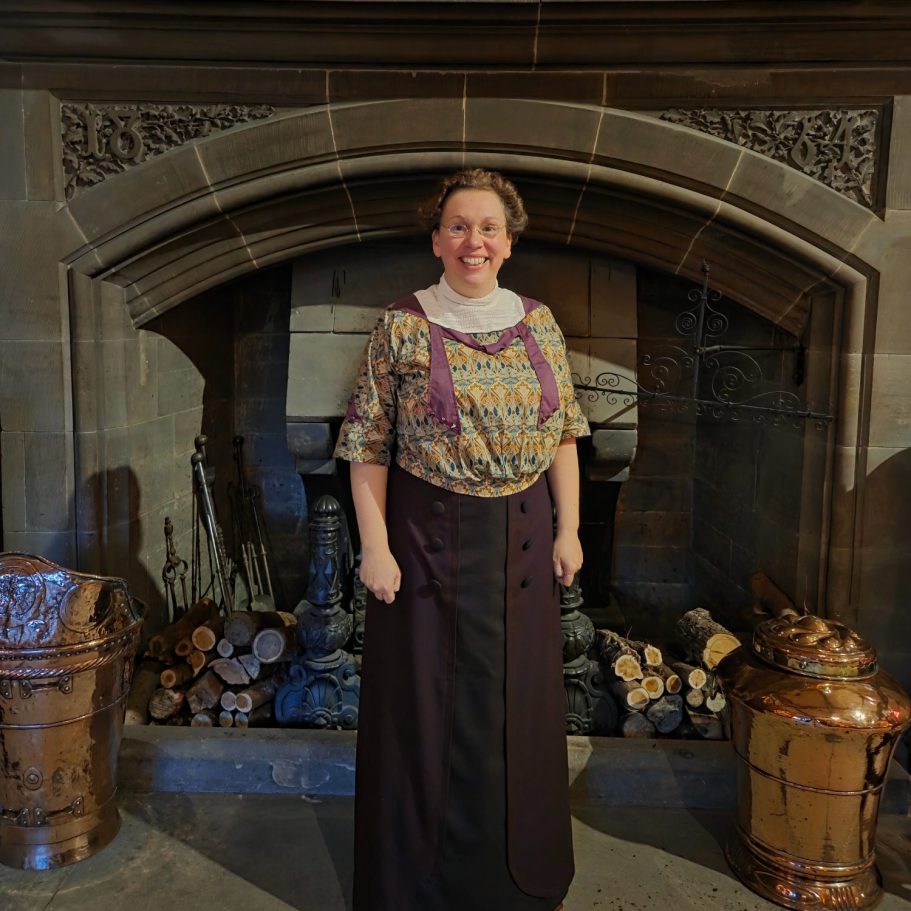
The New Mrs Davidson
Inspired by a 1911 wedding dress in The Beacon Museum’s collection, Becks challenged herself to recreate a period ‘going-away’ outfit using her 1905 Frister and Rossmann sewing machine, while learning historical hand-sewing techniques.
This talk uncovers the research behind the project, tracing the life of the bride, Mrs Davidson, through surviving records from Whitehaven, Egremont and St Bees. Along the way, it explores the fashions of the era and offers a glimpse into everyday life at the time. The talk was developed with funding from Arts Council England.
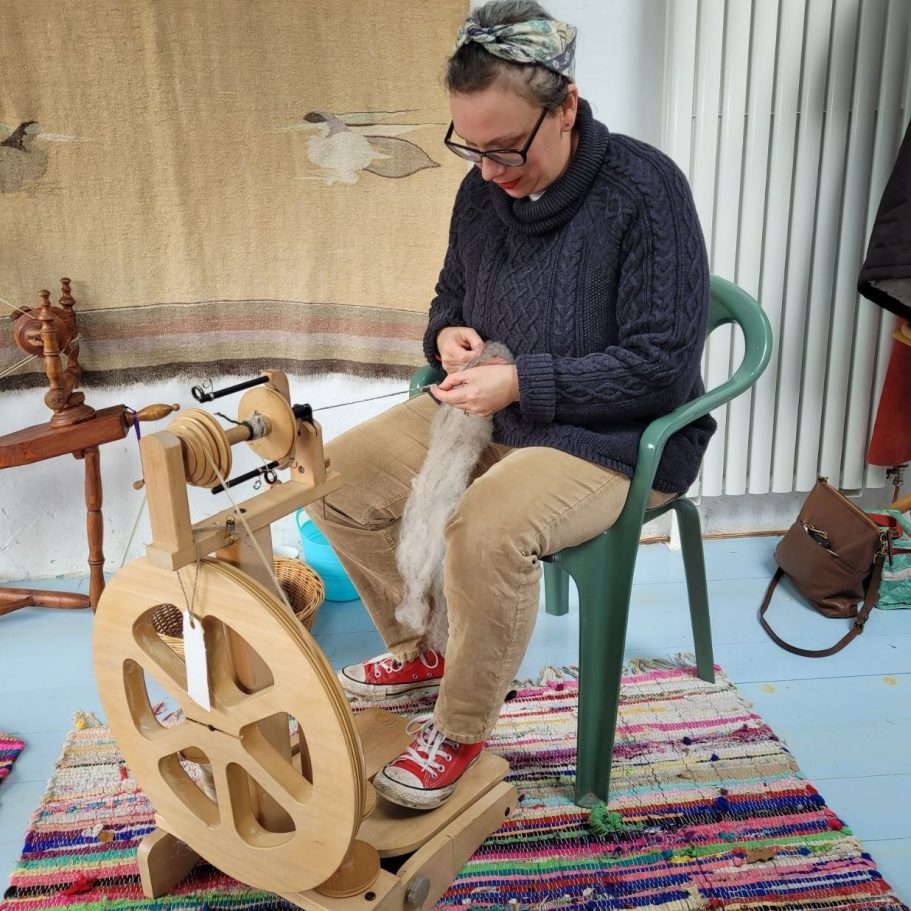
Wool Stories
Living in Cumbria, we are surrounded by sheep—but how often do we consider their impact on our history? Sheep are woven into our story, providing warmth, food and livelihoods. They have shaped our landscape, helped make the country prosperous in the Middle Ages and played a vital role in the Industrial Revolution.
Becks has been exploring some of these stories, whilst she tried to learn to spin and process wool as well as creating a dress from the 1830s. The talk is an opportunity to share some of these tales.
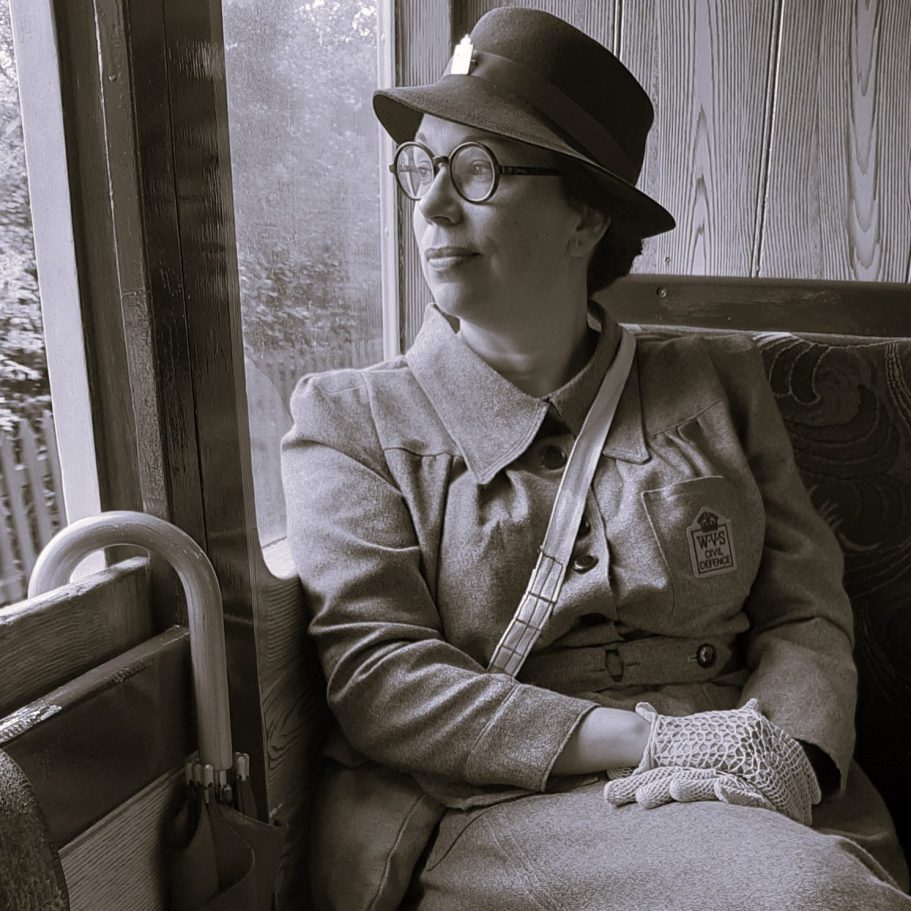
Women on the Home Front
Discover the remarkable work of the Women’s Voluntary Service during the Second World War. While familiar images of the Home Front often feature the Women’s Land Army or munitions workers, the vital contribution of the WVS is easily overlooked. Established to meet a wide range of needs on the Home Front, its volunteers took on an extraordinary variety of roles—from running canteens and organising ‘shopping squads’ to rowing library books across the Solent. This talk explores how the WVS began and tells the stories of the women behind its diverse and essential work.
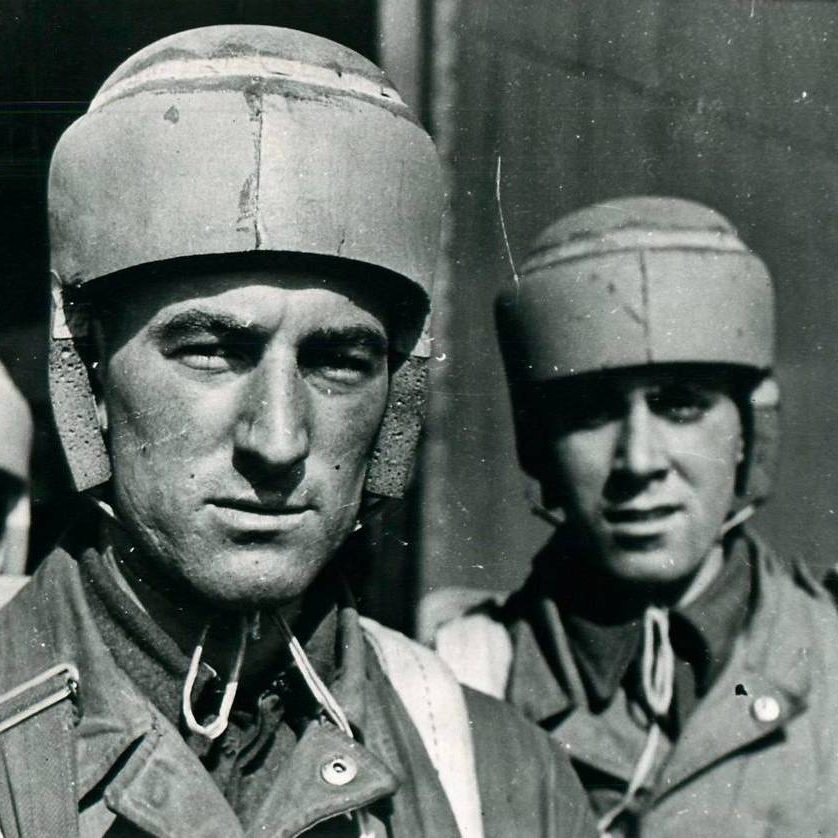
The Birth of Airborne Forces
In 1940, Churchill called for the creation of a 5,000-strong airborne force. Over the next five years, Britain’s Airborne Forces grew from nothing into two divisions, forging their reputation in battle. Drawing on Becks’ research for her book British Paratrooper 1940–45, and on the stories shared with her by veterans during her time at the Airborne Assault Museum, this talk explores their remarkable development.
It follows the origins of the hard-won nickname ‘the Red Devils’ in North Africa, celebrates the resourceful spirit known as ‘Airborne initiative’, and examines the Border Regiment’s role as glider-borne troops in some of the Second World War’s most iconic campaigns.
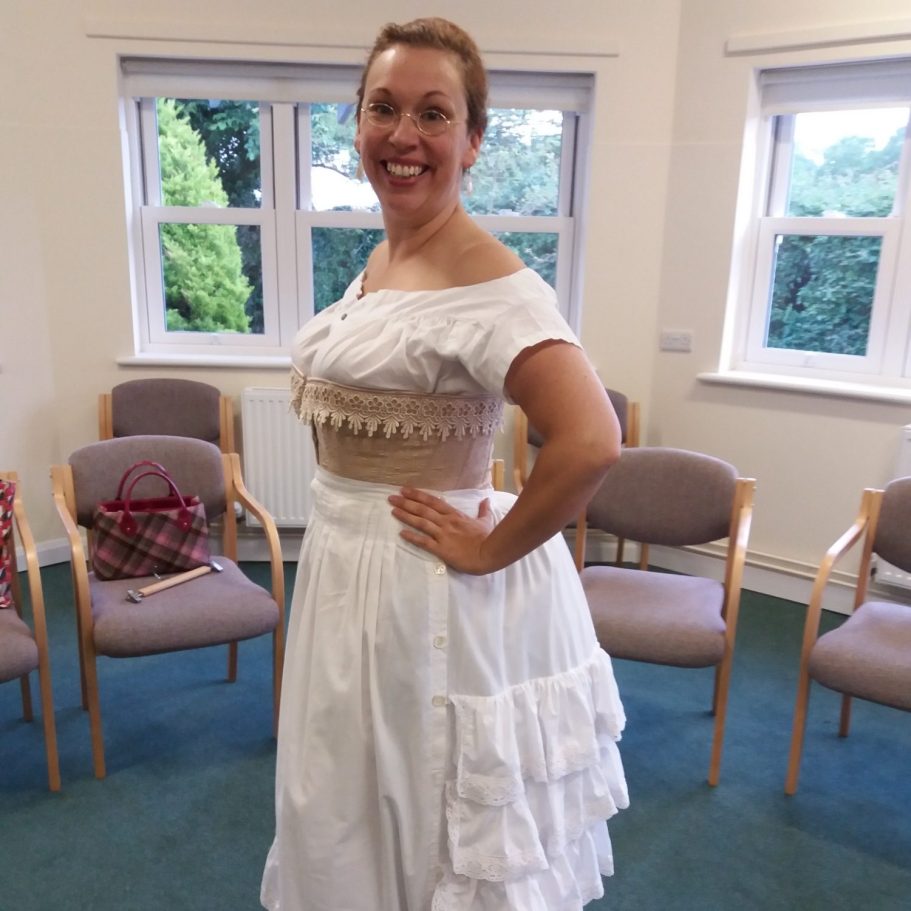
The Victorian Reverse Striptease
Beginning in her undergarments, Becks dresses layer by layer as a fashionable woman of the 1880s.
As each garment is added, she explores how the Industrial Revolution transformed women’s fashion during the Victorian era, covering topics ranging from developments in textiles and production methods to the influence of the printed press and changes in transport.
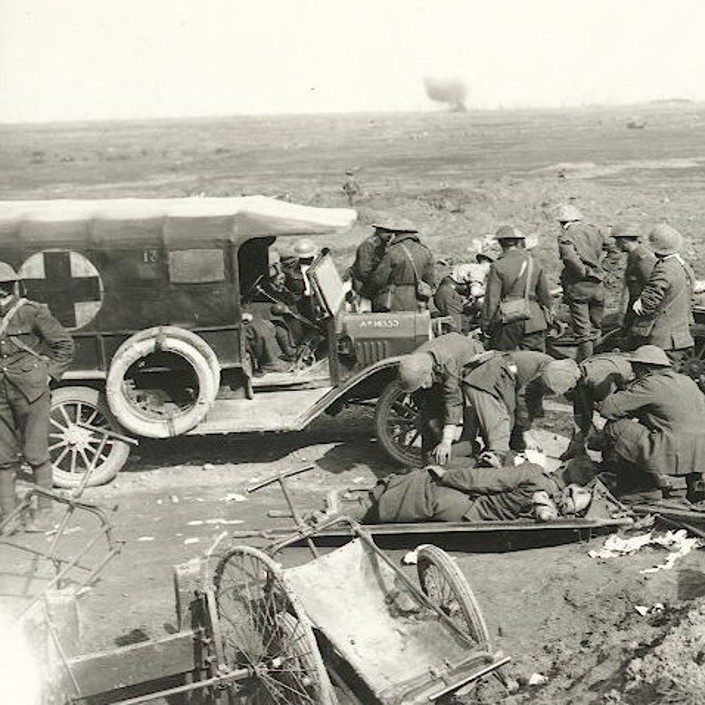
Casevac in the First World War
This talk follows the stages of evacuating a wounded soldier from the battlefields of the First World War—from no man’s land back to Blighty—and introduces some of the remarkable people involved along the way.
Tracing the casualty’s journey reveals how the demands of war drove medical and technological advances, improving treatment and survival rates. The talk draws on Becks’ experience as Director of the Army Medical Services Museum.